
June 11, 2026
If you are picturing tee times, manicured fairways, and active golf amenities, Silverstone Ranch may surprise you. This community still carries the layout and feel of a golf-course neighborhood, but the course itself has been closed for years, which changes how you should evaluate homes here. If you are thinking about buying in Silverstone Ranch, this guide will help you understand what “golf course living” really means today, what to watch for, and how to make a smarter decision. Let’s dive in.
Silverstone Ranch is a master-planned community in the City of Las Vegas with more than 1,500 homes built around a 27-hole golf course. That original design still shapes the neighborhood’s street patterns, lot orientation, and open-space feel.
Today, though, buyers need to separate the community’s golf-course identity from the current reality of the land. The golf course closed in 2015, and local reporting says the site was sold at a Clark County trustee auction in May 2025 for nearly $2.8 million after years of deterioration and inactivity.
In many neighborhoods, golf course living means direct access to an active course and the lifestyle that comes with it. In Silverstone Ranch, it is more accurate to think of it as former golf-course living.
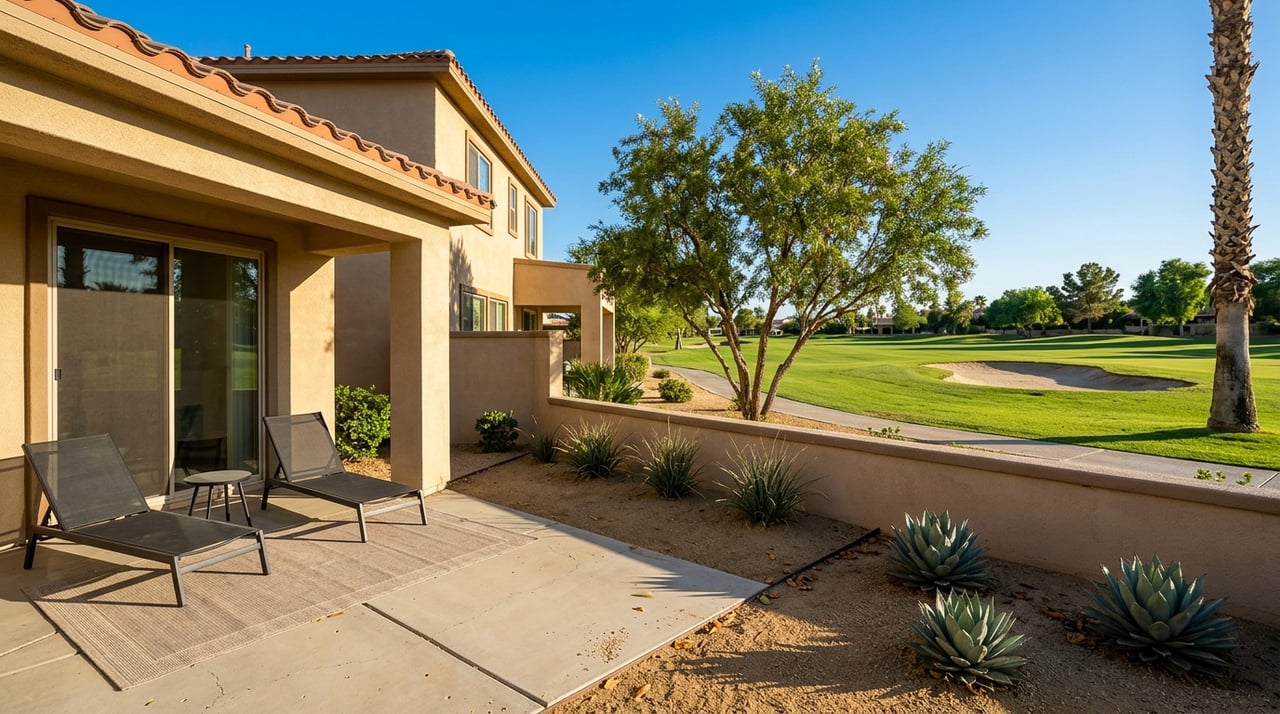
That still may appeal to you. Some homes back to wide open land rather than another row of houses, and that can create a sense of space, privacy, and longer sightlines that many buyers enjoy.
But the value question is different now. If a property was once sold for its golf view, you should look closely at what it actually backs today, whether that is dormant course land, internal roadways, or something else tied to possible future changes.
The closed course is not just a background detail. It is one of the biggest factors that can affect how you feel about the home now and how a future buyer may view it later.
Court-record reporting has said the site was supposed to remain a golf course unless 75 percent of surrounding Silverstone Ranch homeowners approved a different use. That means the status of the land has been a meaningful issue, and buyers should treat any assumptions about redevelopment or restoration with caution unless there is an approved public plan.
For resale, that creates a simple takeaway: be conservative. If you are paying more for a lot because of the open area behind it, make sure the premium makes sense based on the property’s current condition and the uncertainty around the former course land.
A closed course changes the day-to-day experience. Instead of maintained fairways and active golf traffic, local reporting has described parts of the site as inactive and semi-wild, with issues including trash, trespassing, snakes, and mice.
That does not mean every nearby home will have the same experience. It does mean you should physically tour the rear boundary of any property you are considering, especially if the backyard faces the former course.
When you visit, take your time and look past the listing photos. Stand at the back wall, listen for road noise, look at the condition of the adjacent land, and ask yourself how the setting feels in real life during the day and in the evening.
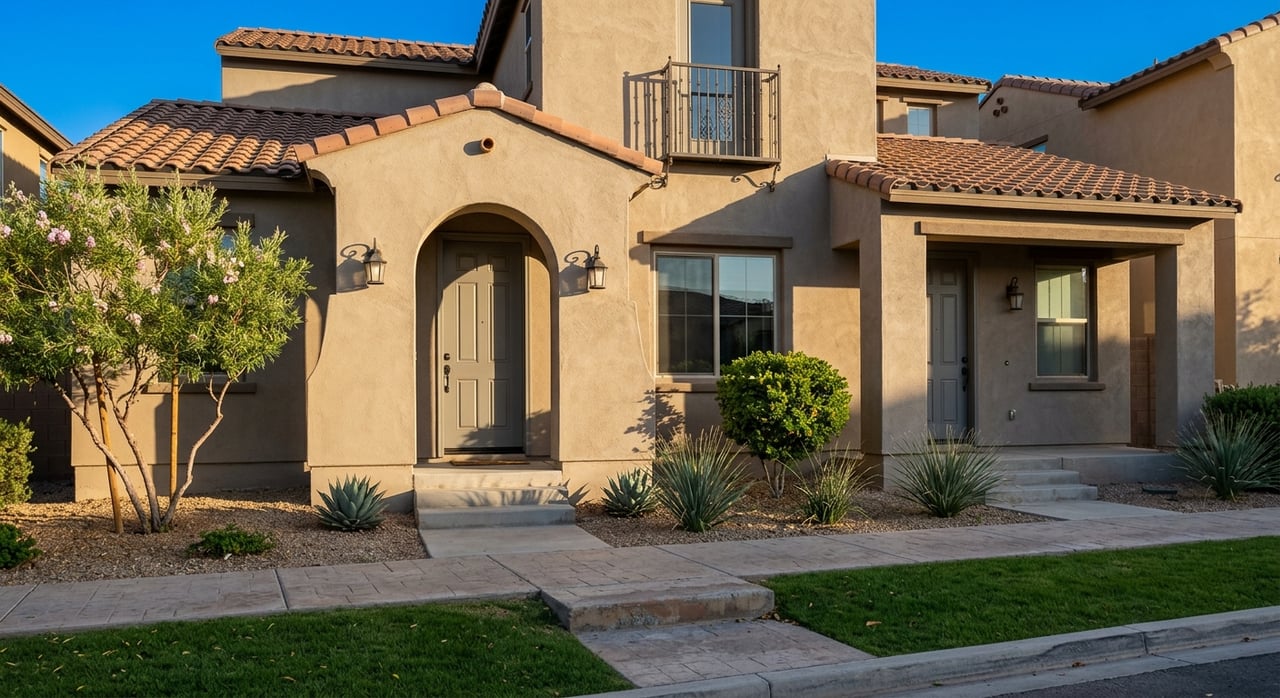
One strength of Silverstone Ranch is variety. Current listing examples show a mix of townhomes and single-family homes, which can give buyers options depending on budget, household size, and maintenance preferences.
Available product examples include:
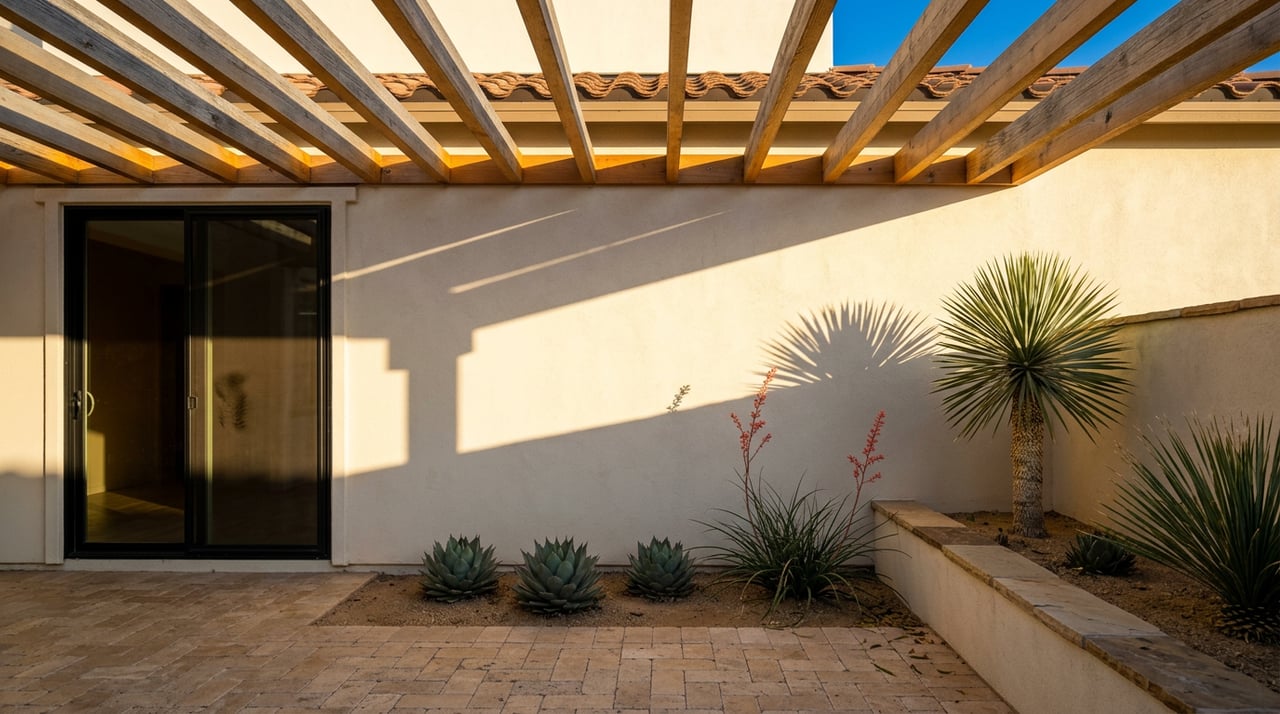
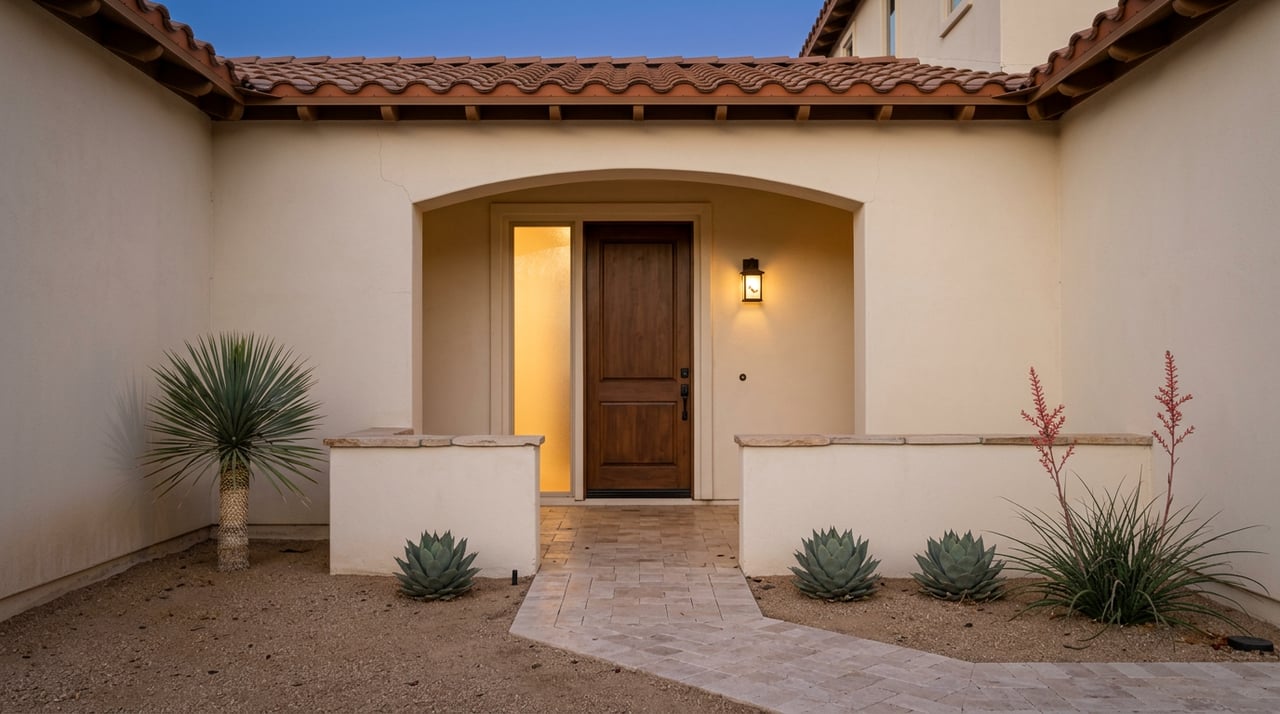
Many examples also include features buyers commonly want in Las Vegas, such as attached two-car garages, covered patios, and private backyards. That range can make Silverstone Ranch worth a look if you want neighborhood consistency but still want choices in layout and size.
One of the most important things to know about Silverstone Ranch is that the HOA structure may not be simple. Current listings show that fees can vary significantly by tract, and some properties may have both a master HOA and a sub-HOA.
Examples from current listing data include a single-family home with an $88 master fee plus a $174 sub-fee, a guard-gated single-family home with $174 plus $75, and a Windermere townhome with $244 monthly HOA dues plus a separate $87 fee.
That is why you should never assume one Silverstone Ranch home has the same monthly ownership cost as another. The exact subdivision matters, and so does what those dues actually cover.
In some parts of Silverstone Ranch, HOA dues may cover more than basic common-area upkeep. Listing examples in Windermere note coverage that may include front-yard landscaping, water, exterior paint, roof maintenance, pool and spa access, a fitness center, and pet-area maintenance.
Other tracts may offer a different mix of services, or fewer included items. Before you compare homes, make sure you are comparing the full ownership picture and not just the purchase price.
Also remember that property taxes are separate from HOA dues and are billed by the Clark County Treasurer. A home with lower dues may still have other ownership costs you need to budget for.
If you buy in a Nevada common-interest community, the resale package is one of your most important documents. It must include items like the CC&Rs, bylaws, rules, operating budget, year-to-date financials with reserve detail, and a resale certificate listing fees, fines, assessments, transfer fees, and pending legal actions.
The package is due within 10 days of request, remains effective for 90 days, and buyers generally have five days to cancel after receiving it. That gives you a window to review the community details carefully, but it is better to request and read it early rather than wait until you are emotionally committed.
Nevada also warns buyers that CC&Rs bind future owners, that owners pay assessments as long as they own the property, and that assessments can increase or be supplemented by special assessments. Unpaid assessments can even put a property at risk of foreclosure, so this is not paperwork you want to skim.
If you are seriously considering Silverstone Ranch, ask direct questions and verify the answers in writing when possible. A little extra homework upfront can help you avoid expensive surprises later.
Here are some of the most useful questions to ask:
These questions are especially important because much of the housing stock is from the mid-2000s, and condition can vary from one property to the next.
When you tour homes in Silverstone Ranch, try to evaluate both the house and the setting. This is one of those neighborhoods where the lot position can be just as important as the floor plan.
Use this quick checklist:
A careful walkthrough can help you decide whether a home offers the openness you want or more uncertainty than you are comfortable with.
For the right buyer, yes. Silverstone Ranch can still offer attractive lot patterns, a planned-community feel, gated options in some sections, and a broad range of home sizes and styles.
The key is to buy with clear eyes. The biggest advantages today are the neighborhood layout, open views in some locations, and product variety. The biggest watchouts are HOA complexity, varying maintenance responsibilities, and the unknowns tied to the former golf course land.
If you approach the community as former golf-course living rather than active golf-course living, you will be in a much better position to judge value and choose the right property for your needs.
If you want help comparing neighborhoods, reviewing ownership costs, or narrowing down the right Silverstone Ranch home, Adrian Ornelas can help you make sense of the details and move forward with confidence.
Stay up to date on the latest real estate trends.
Every recommendation is rooted in experience, market awareness, and a commitment to helping clients make decisions that stand the test of time.