
June 25, 2026
If you have been searching for more elbow room in Las Vegas, Lone Mountain probably keeps popping up for a reason. This part of the northwest valley is known for a more open feel, but the real story is a little more nuanced than simply saying every home has a huge yard. In this guide, you will learn what larger lot living in Lone Mountain really looks like, why the area feels different, and how to tell which pocket fits your goals best. Let’s dive in.
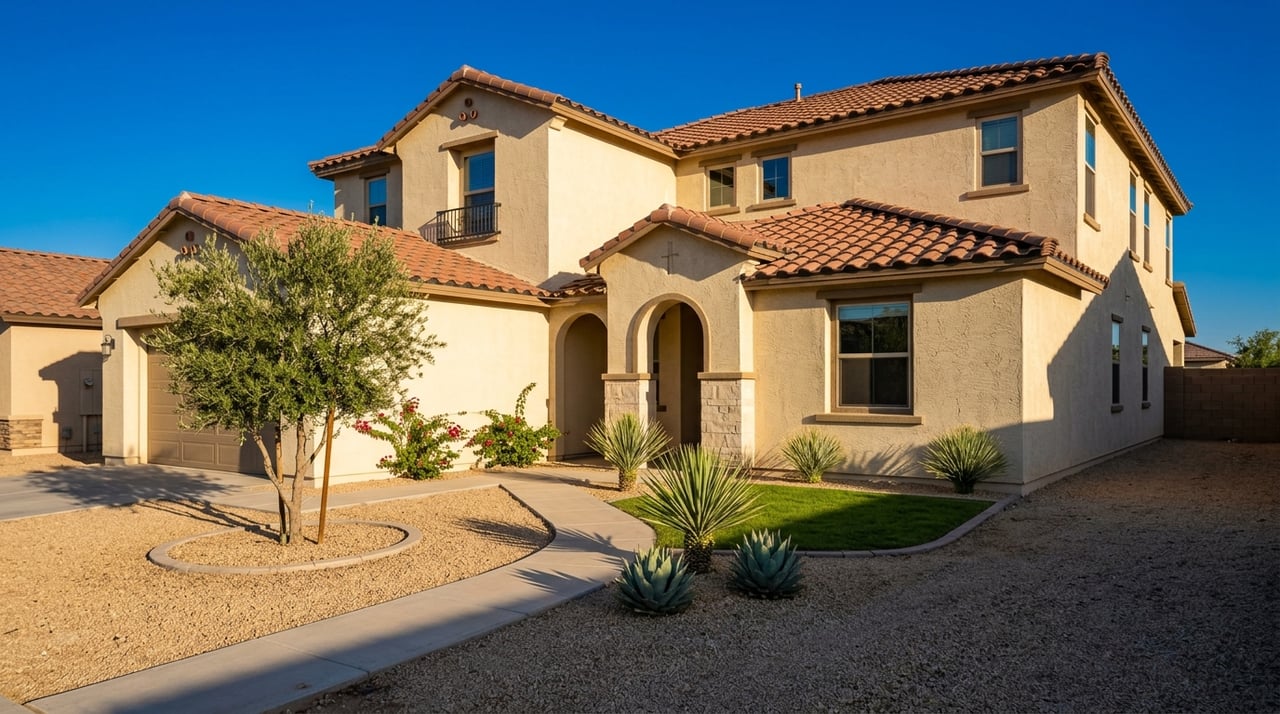
Lone Mountain is an unincorporated Clark County town in the northwest Las Vegas Valley that covers about 19,125 acres, or roughly 30 square miles. That scale, along with its connection to the mountain and nearby county recreation assets, helps give the area a more open-space-oriented feel than many more central valley neighborhoods.
The area's identity is also tied to the outdoors. The City of Las Vegas describes Lone Mountain as a popular hiking spot for locals and visitors, which adds to its reputation as a place where desert views, trails, and open surroundings are part of daily life.
When buyers talk about larger lot living in Lone Mountain, they are often referring to recent low-density and estate-style development patterns shown in Clark County planning materials. These projects are not the tight tract layouts many people picture in newer suburban areas.
Recent examples include:
One December 2024 county planning packet is especially helpful because it states that within the Lone Mountain Interlocal Agreement area, 18,000 square feet is the required lot size and 18,500 square feet is the preferred lot size. That benchmark helps explain why many buyers associate this area with bigger yards and more distance between homes.
This is the key thing to understand before you fall in love with the idea of Lone Mountain. Not every parcel in the area is estate-sized, and not every street has the same level of privacy or spacing.
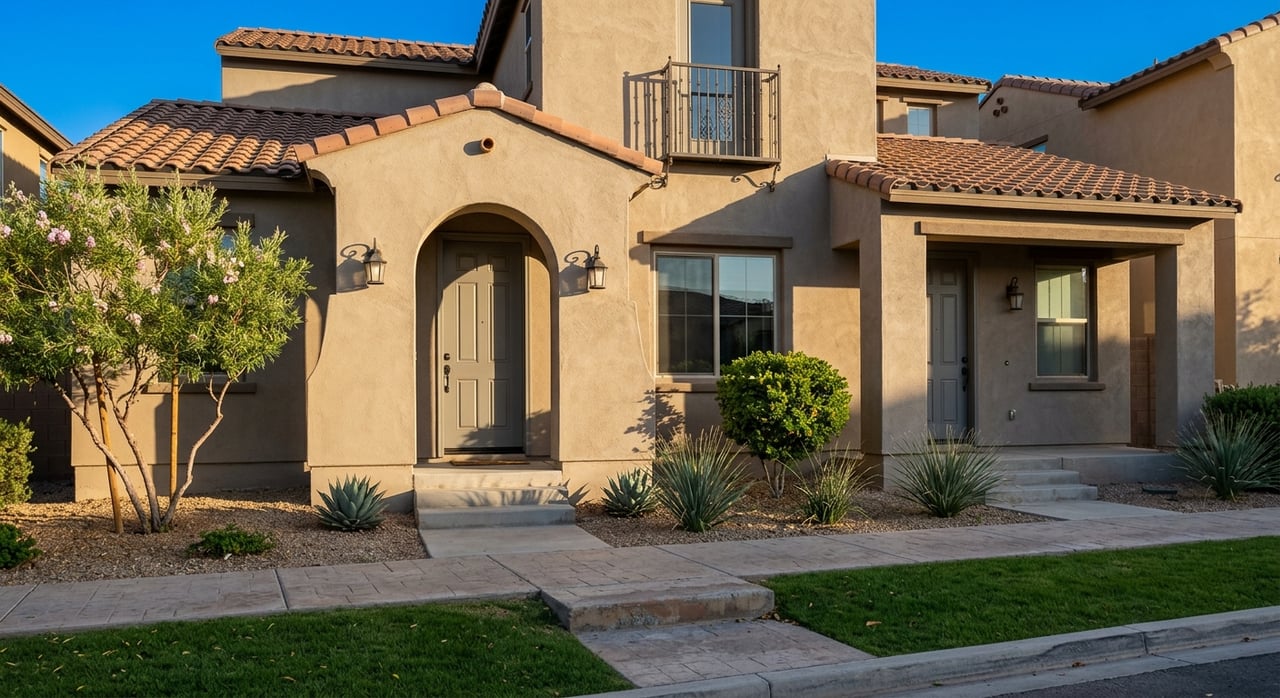
Assessor records in the broader area also include smaller subdivision lots around 0.06 to 0.09 acres. So the most accurate way to think about Lone Mountain is this: it is a mixed area, but its planning identity leans more spacious than a typical suburban tract.
If you want room for outdoor living, extra parking, a larger setback, or simply more separation from neighboring homes, Lone Mountain may offer options that are harder to find in more compact parts of the valley. But the experience can vary a lot from one pocket to another.
That means your search should focus less on the neighborhood name alone and more on the exact section, parcel pattern, and street layout. A site visit can make a big difference because the lot feel on paper and the feel in person are not always the same.
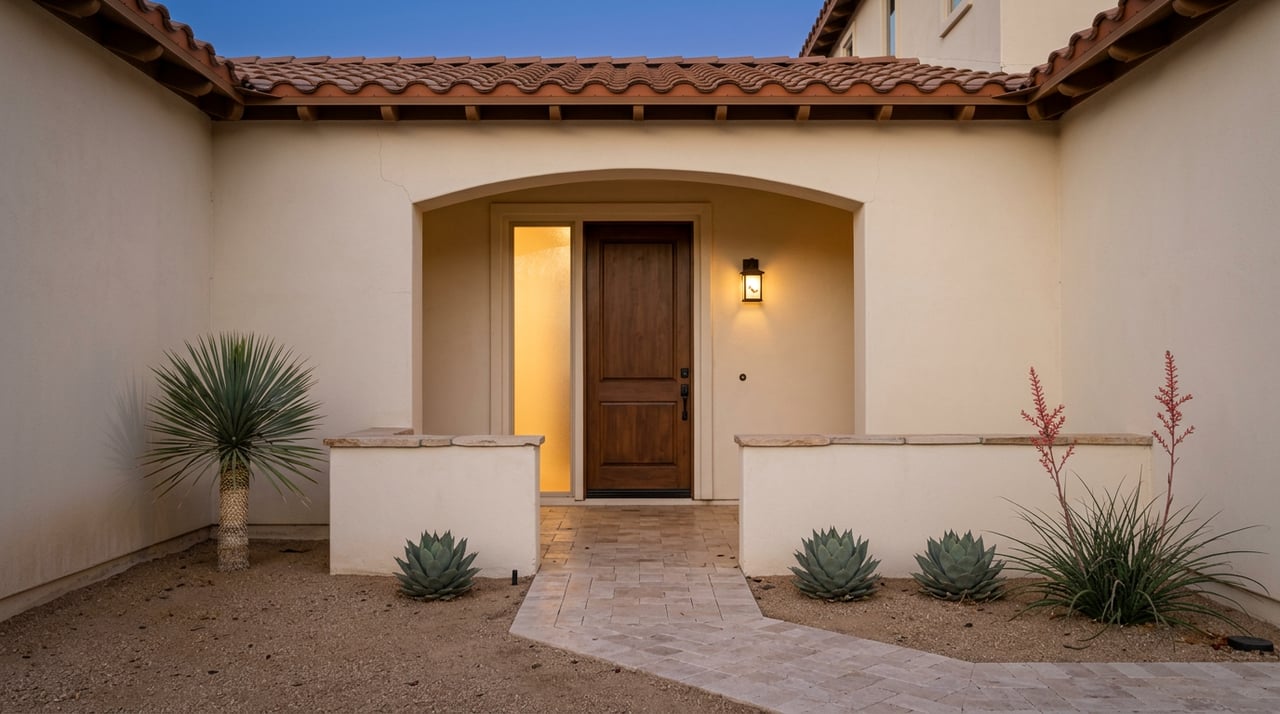
Clark County planning packets for the area repeatedly reference features that support a more custom and private feel. Depending on the pocket, you may see design elements that are different from a more standardized subdivision.
These can include:
For many buyers, that kind of layout is part of the appeal. It can create a less repetitive feel and a stronger sense that the homes were planned around lot size and privacy rather than around fitting the maximum number of homes into a tract.
Larger lots tend to matter more when the surrounding area already supports an outdoor lifestyle. In Lone Mountain, that connection is easy to see.
Clark County says Lone Mountain Park includes equestrian facilities, a covered practice arena, two round riding pens, picnic areas, pickleball courts, basketball and tennis courts, playgrounds, and trails with views of the desert and the city. That range of amenities reinforces the idea that this is a part of the valley where outdoor time is a real part of everyday living.
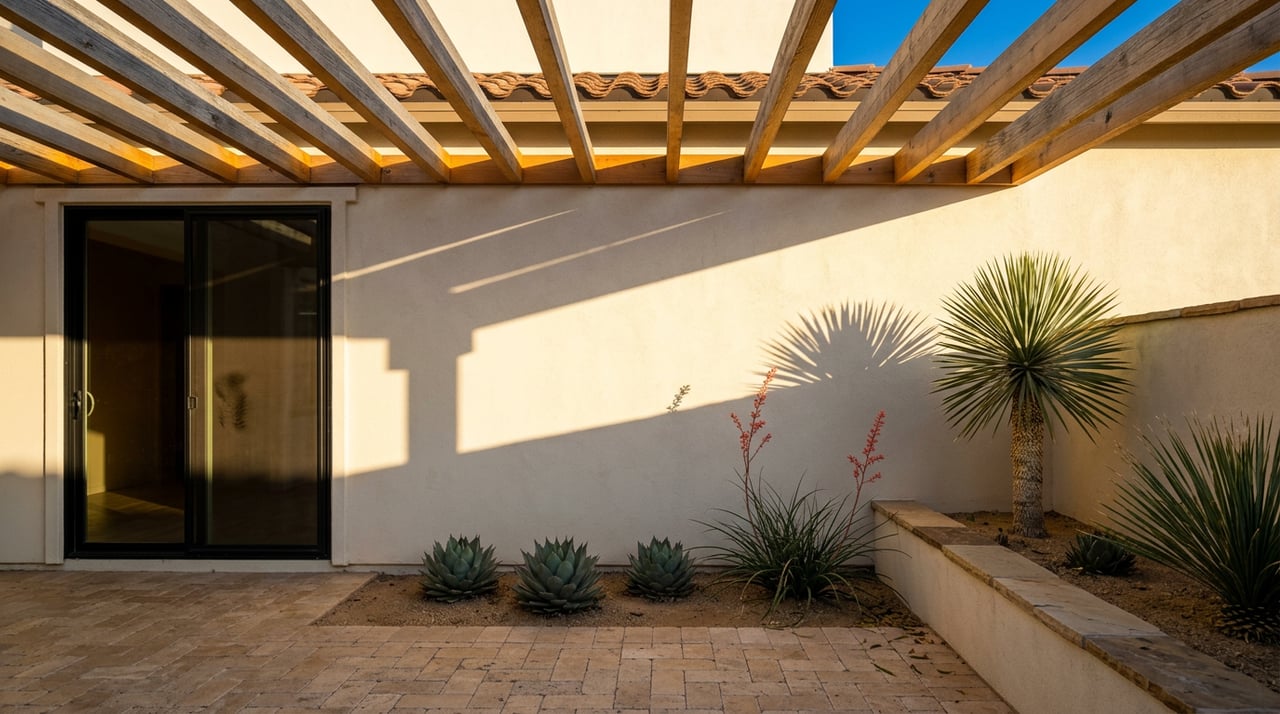
While every property is different, larger lots may appeal to buyers who want more flexibility for how they use their outdoor space. That could include:
The important point is not that every home in Lone Mountain offers all of that. It is that the area's lot patterns and recreation setting make those possibilities more relevant here than in many tighter suburban areas.
A lot of Las Vegas buyers are used to comparing neighborhoods through the lens of master-planned communities. Lone Mountain stands apart because its development pattern often feels more spread out, more custom, and more lot-driven.
Clark County Title 30 explains that a Planned Community Overlay identifies master-planned communities with standards shaped by a specific plan, area-specific design standards, or a development agreement. By contrast, recent planning examples in Lone Mountain show pockets with private streets, gates, larger estate parcels, and a less uniform layout.
The City of Las Vegas 2050 Master Plan also emphasizes compact neighborhoods where residents can walk to shops, parks, services, and transit. Compared with that model, parts of Lone Mountain read as more open and less compact, which may be exactly what some buyers want.
Some parts of Lone Mountain are also being viewed through a rural-preservation lens. County materials reference an RNP-I overlay in Lone Mountain, and Title 30 rural-neighborhood standards emphasize open rural character, minimal perimeter walls, compatibility with a rural lifestyle, animals, and equestrian and pedestrian pathways.
That does not mean every section feels rural in the same way. It does mean that in some pockets, the planning direction supports a more open and less conventional suburban character.
Larger lot living in Lone Mountain can be a strong fit if you want more breathing room without leaving the northwest Las Vegas Valley. The appeal often comes from the combination of bigger parcel possibilities, mountain views, and access to outdoor amenities.
You may want to look more closely at Lone Mountain if you are hoping for:
If your priority is a highly uniform master-planned layout, your ideal fit may be elsewhere. But if you like the idea of a neighborhood with a little more variation and a little more land in the mix, Lone Mountain deserves a serious look.
Because lot patterns vary so much, a smart home search here starts with details. You do not want to assume the same experience across the entire area.
As you evaluate homes, pay close attention to:
This is where local guidance matters. A neighborhood can sound perfect online, but the right match usually comes down to block-by-block context.
Lone Mountain has earned its reputation as one of the more spacious-feeling parts of the Las Vegas Valley, but the best way to understand it is to think in terms of pockets, not broad labels. Some areas reflect estate-style planning with larger homesites and more separation, while others are more conventional.
For buyers who want more space, a stronger outdoor connection, and a setting that feels less compact, Lone Mountain can be a very compelling option. The key is knowing where to look and how to compare one section of the area to another.
If you want help sorting through Lone Mountain homes and identifying the pockets that best match your goals, reach out to Adrian Ornelas for a consultation.
Stay up to date on the latest real estate trends.
Every recommendation is rooted in experience, market awareness, and a commitment to helping clients make decisions that stand the test of time.