Thinking about buying a rental in Centennial Hills but not sure where to start? You want steady demand, realistic numbers and clear rules so your investment performs. The good news is this northwest Las Vegas neighborhood offers a strong mix of homes, commuters and healthcare workers that can support long-term leases.
In this guide, you’ll get the local picture: what drives demand, current price and rent ranges, key Nevada lease laws, HOA must-checks and a simple underwriting checklist. You’ll also see how short-term rental rules affect your strategy. Let’s dive in.
Why Centennial Hills stands out
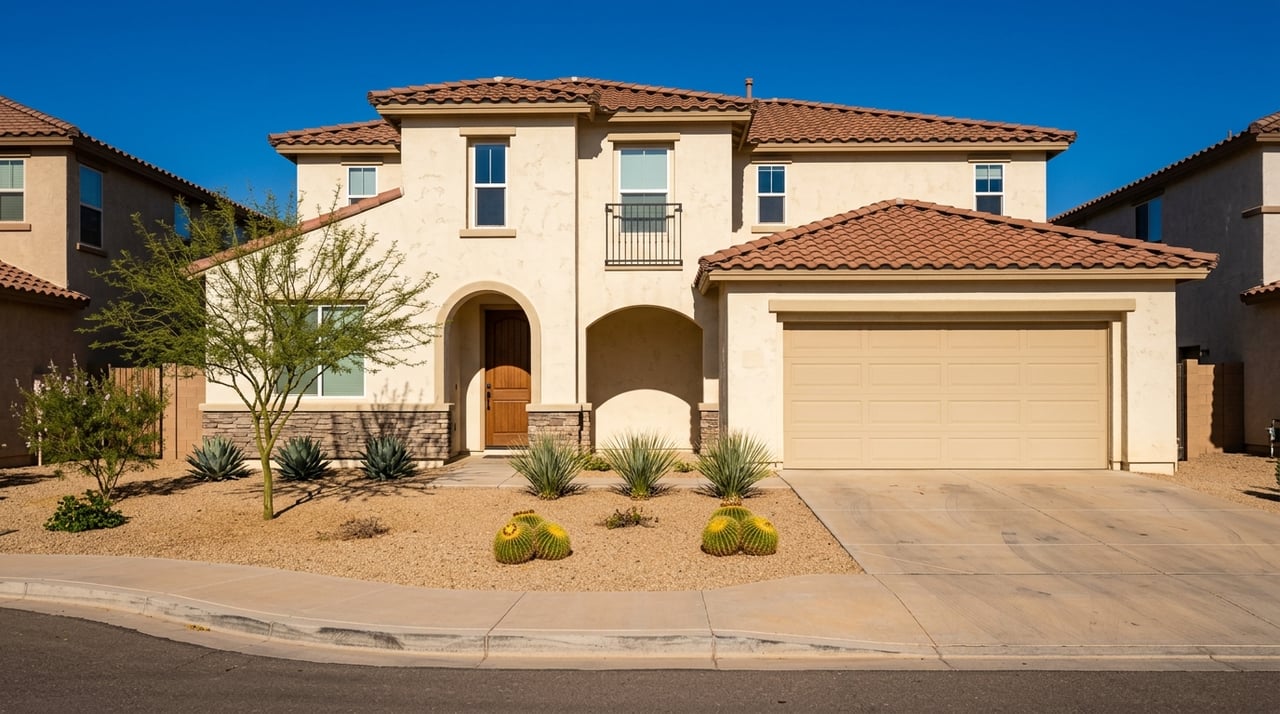
Centennial Hills sits inside the City of Las Vegas in the northwest valley, with master-planned communities, parks and a major town center. It mixes single-family homes with townhomes and condos, many built in the 2000s and newer. For background on the neighborhood’s formation and amenities, see the Centennial Hills overview on Wikipedia.
Anchors that drive rental demand
You get everyday convenience and jobs nearby. The Centennial Hills Town Center area bundles shopping, a library, parks and services. Healthcare workers often target the area because of Centennial Hills Hospital. Fast freeway access to US-95 and the 215 Beltway helps commuters reach job centers across the valley.
What you’ll find on the market
Inventory includes:
- 3 to 4 bedroom single-family homes, often 1,400 to 2,400 square feet.
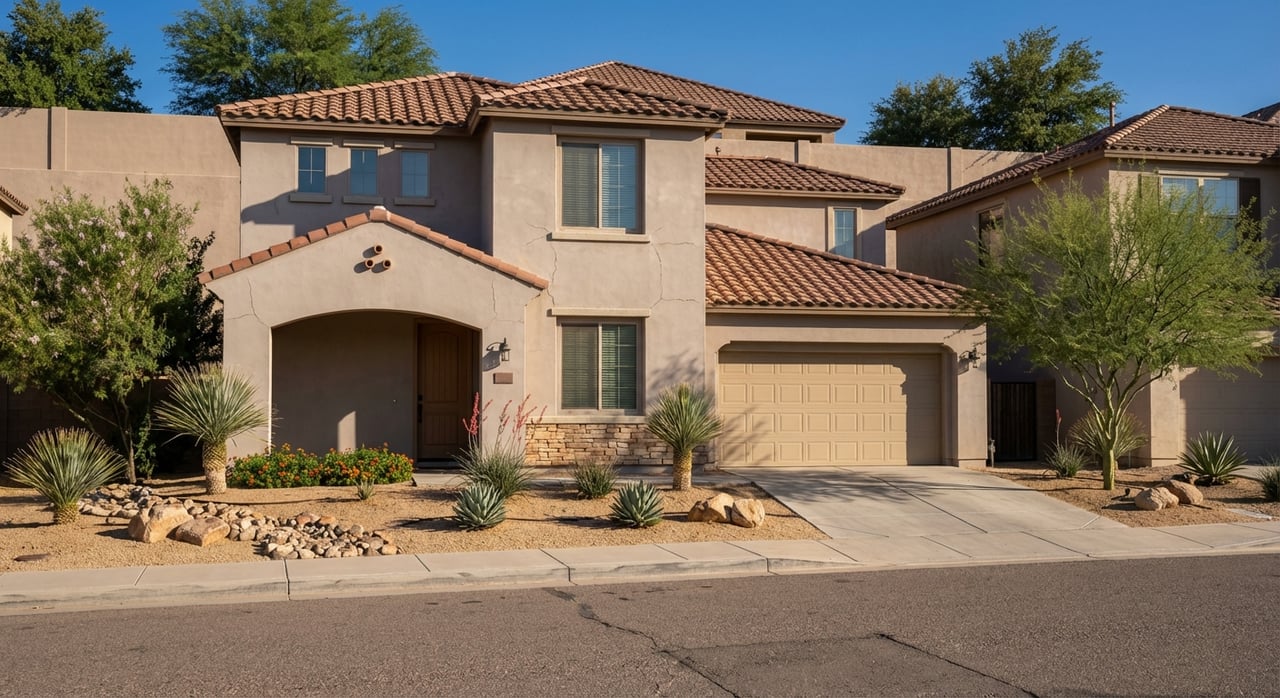
- 2 to 3 bedroom condos and townhomes, commonly 700 to 1,400 square feet. Many include HOA pools, gated entries and community amenities.
- HOA dues for condos and townhomes often fall in the 170 to 300 dollars per month range. Always confirm the current amount in writing.
Prices, rents and a quick yield check
Recent neighborhood dashboards place median sale prices in the mid 400Ks to low 500Ks. Examples cited in late 2025 to early 2026 show a median sale near 475,000 and a median listing near 519,000. Median neighborhood rents often run about 1,800 to 2,100 dollars per month, with a commonly cited figure around 2,050 dollars for typical homes.
A simple screen: using 2,050 dollars per month against a 475,000 dollar purchase suggests a gross yield near 5.2 percent. This is only a starting point. Build a full pro forma with taxes, insurance, HOA dues, management, vacancy and capital reserves, and always underwrite using recent comps from the last 60 to 90 days.
Nevada lease rules that impact returns
Nevada’s landlord-tenant laws are straightforward if you know the basics. These items affect deposits, notices and lease structure:
- Security deposits. Nevada caps the total of security deposit plus last month’s rent at a maximum of three months’ rent. See NRS 118A for deposit and accounting rules on returns and itemized deductions. Review the statute here: Nevada Revised Statutes, Chapter 118A.
- Notices and summary eviction timing. In practice, nonpayment typically uses a 7-day Notice to Pay or Quit. Many lease violations use a 5-day Notice to Cure. Certain unlawful activity can result in a 3-day Notice to Quit. For a practical overview of timelines and forms, see this Nevada landlord-tenant guide.
- Month-to-month terminations. A common standard is 30 days’ notice to end a month-to-month tenancy. See a summary of typical notice rules in this Nevada notice guide.
- Other investor impacts. State law addresses habitability, anti-retaliation, and transfer of deposits at sale. If you are buying an occupied rental, verify the lease, deposit ledger and statutory compliance during escrow.
HOA due diligence for Centennial Hills
Most condos, townhomes and many single-family homes here sit in HOAs. The rules, budgets and insurance can move your cash flow more than you expect.
- Your right to rent. Nevada law protects many owners’ right to rent in common-interest communities. Associations generally cannot add new rental approvals or reduce existing rental caps after you buy. Read NRS 116.335 for the specifics: Association rental restrictions and owner rights.
- The required resale package. Before you close, the seller must provide an HOA resale package that includes governing documents, a statement of assessments due and key disclosures. This is set by NRS 116.4109. See details here: Nevada resale package requirements.
Documents to request before you offer
Ask for these early so you can underwrite with confidence:
- CC&Rs, bylaws, rules and all amendments.
- The resale certificate stating monthly dues, unpaid amounts, fines and any transfer fees.
- Last 2 to 3 years of budgets, year-to-date financials, the latest reserve study and current reserve balance.
- Board meeting minutes for the last 12 months, plus any notes on litigation or collections.
- Insurance declarations for the master policy, fidelity and D&O coverage, plus claim history.
- Any rental policy, rental caps with dates enacted, tenant registration steps and fees.
- Parking, guest, pet and exterior maintenance rules.
- Any short-term rental restrictions or prohibitions.
Red flags to watch
- Low reserve balances paired with upcoming capital projects, which can signal special assessment risk.
- Repeated collections issues or pending litigation.
- Rental rules that slow down tenant placement, like long approval queues or unclear standards.
Short-term rentals: set expectations
Nevada’s AB 363 set a baseline for short-term rentals, then left many details to local governments. The City of Las Vegas uses licensing, inspections, spacing buffers, insurance minimums and other requirements that make short-term rentals difficult in many residential neighborhoods. HOAs often prohibit them outright. For an overview of how the law works in practice, see this explainer on Nevada short-term rental rules.
Practical takeaway: Most Centennial Hills investors target standard 12-month leases. If you plan to pursue STRs, verify city licensing, HOA rules and insurance early, and do not assume STR income in your pro forma.
Your underwriting checklist
Use this quick process to evaluate any Centennial Hills rental.
Before you write an offer
- Pull recent closed sale comps from the last 60 to 90 days, plus current comparable rentals, to set realistic price and rent targets.
- Request the HOA resale package and review dues, budgets, reserve study, insurance and meeting minutes for assessments or litigation.
- Confirm whether the parcel sits under City of Las Vegas rules and whether any STR use is allowed.
- If tenant-occupied, collect the current lease, rent roll, deposit ledger and tenant contact info. Confirm NRS 118A compliance.
- Build a line-by-line expense budget: property taxes, insurance, HOA dues, management, utilities, vacancy and reserves. For tax inputs, consult the Clark County Assessor.
During inspection and escrow
- Ask for the last 12 months of HOA minutes and vendor contracts to spot deferred maintenance or long-term obligations.
- Review the HOA insurance declarations and get landlord quotes that cover any gaps.
- If an HOA has a rental cap, verify the seller’s purchase date against the cap’s effective date under NRS 116.335.
After closing
- Register tenants with the HOA if required and share community rules on parking, trash and amenities.
- Use a Nevada-compliant lease and reference court-approved notice forms where applicable. Confirm deposit handling and timelines.
- Finalize landlord and umbrella insurance, and set your maintenance reserve and communication plan with your manager.
Key metrics to run
- Gross rent yield: annual rent divided by purchase price. Example with neighborhood medians: 2,050 dollars x 12 ÷ 475,000 ≈ 5.2 percent.
- Cap rate: net operating income divided by purchase price. Include taxes, insurance, HOA, management, maintenance, vacancy and utilities.
- Gross Rent Multiplier: purchase price divided by annual gross rent. Use to compare deals across subareas.
Cash flow on single-family homes in the mid 400Ks band is sensitive to your purchase price, interest rate, HOA dues and capital expenses. A small discount at purchase can make a big difference in your projected returns.
Ready to buy with a local partner
You deserve clear comps, honest rents and a clean plan for HOA and lease compliance. Agents of Las Vegas provides buyer representation, leasing and rental placement, property-management support and home valuations, all guided by direct access to a managing broker. We will help you compare subareas, review HOA documents, confirm legal rules and connect you with trusted vendors so you can close with confidence.
Have questions or want a custom pro forma on a specific address? Schedule a Consultation with Adrian Ornelas.
FAQs
Is Centennial Hills inside Las Vegas city limits?
- Yes. Centennial Hills is a northwest Las Vegas neighborhood within the City of Las Vegas boundaries. For background, see the neighborhood summary on Wikipedia.
What are typical rents for a 3 bedroom home in Centennial Hills?
- Neighborhood summaries commonly show monthly rents in the 1,800 to 2,100 dollar range, with mid-range SFRs often around 2,050 dollars depending on condition, location and amenities.
Can my HOA block me from renting my home?
- Nevada law limits an HOA’s ability to add new rental restrictions after you buy, and it protects many owners’ right to rent. Review NRS 116.335 and your HOA’s CC&Rs for specifics.
What notice is required to end a month-to-month lease in Nevada?
- Month-to-month tenancies commonly require 30 days’ notice. See a practical summary in this Nevada notice guide.
How fast can I act if a tenant misses rent in Nevada?
- The typical first step for nonpayment is a 7-day Notice to Pay or Quit, followed by the summary eviction process if unpaid. See this Nevada landlord-tenant overview for timelines and forms.
What HOA documents should I review before buying a condo or townhome?
- Request the full resale package required by state law, including CC&Rs, rules, the resale certificate with dues and balances, budgets, reserve study and insurance. Details are outlined in NRS 116.4109.